By 2047 The Indian Real Estate Will Grow To $10 Trillion Market
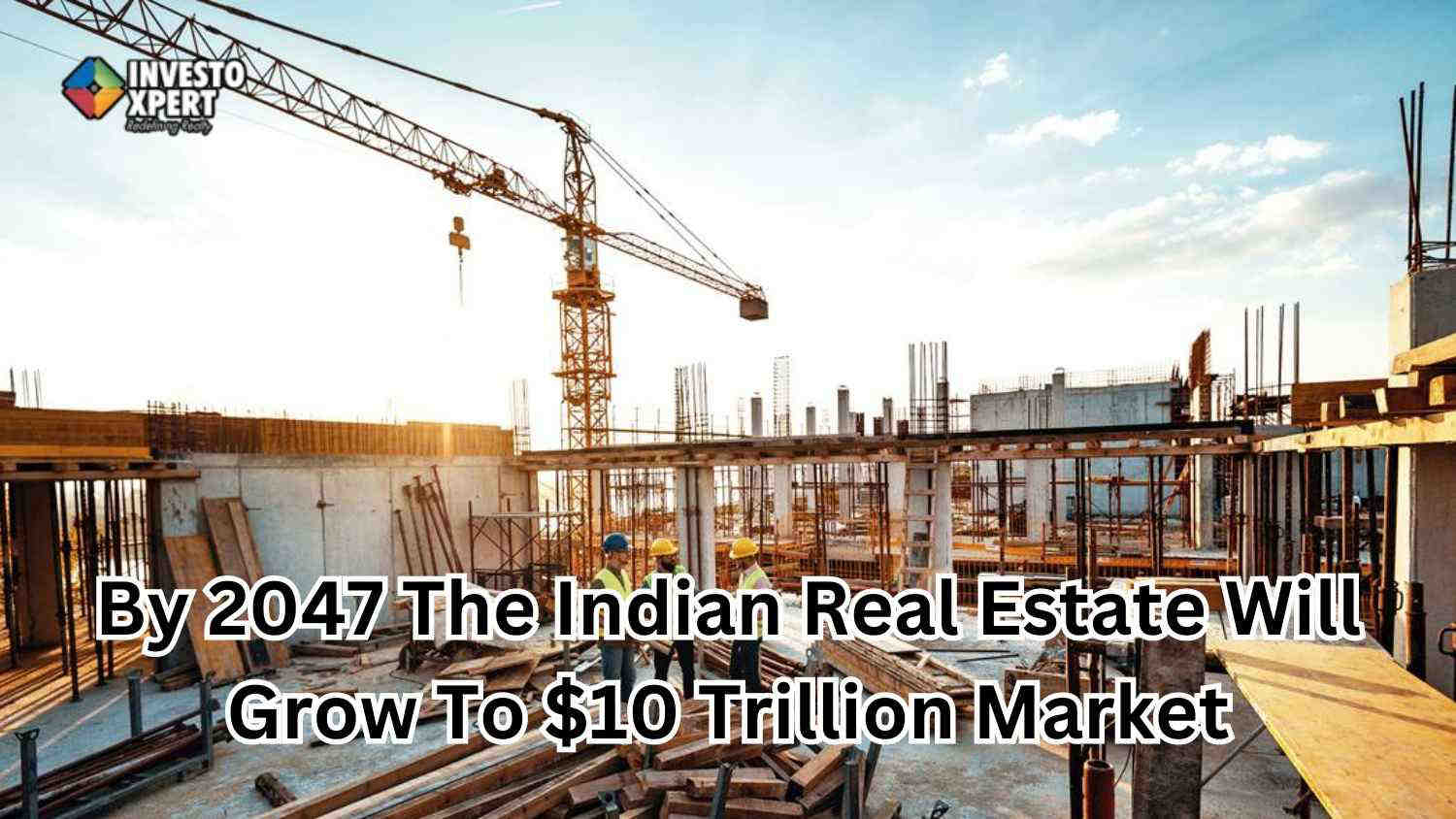
By 2047 The Indian Real Estate Will Grow To $10 Trillion Market
Research by Colliers and the Confederation of Real Estate Developers' Associations of India (Credai) states that over $60 billion in institutional investments, mostly from foreign companies, have been made in the Indian real estate sector during the past ten years.
By 2047, the industry is expected to be valued at $10 trillion, and during that time, its proportion of India's GDP is predicted to rise to 14–20%. According to the research, the sector's current GDP share is approximately 7.3%.
Strong domestic economic prospects, improvements in the ease of doing business, and ongoing FDI relaxations are expected to contribute to an increase in foreign capital flow over time.
The report additionally forecaster that increased international capital inflows and robust domestic investor contributions would lead to an even greater uptake of alternative funding methods in the Indian real estate market.
In the coming years, there will be an increase in the use of relatively new financing channels such as social impact, distressed, special situations, and venture capital funds along with green financing through the issuing of bonds and credit. As a result of changing consumer tastes and technology integration, alternative markets including co-living, senior living, and data centers will also experience exponential expansion. Sustainability and energy efficiency will also become standard in all new constructions.
According to the report, by 2050, the nation's median age is expected to rise from roughly 30 to almost 40 years old. By 2047, about half of India's population will live in cities. Real estate traction is expected to spread outside of Tier-I cities and generate scattered growth centers in smaller towns and cities due to the rising urbanization of the region and its supporting elements, such as expanding infrastructure and job possibilities.
The study also mentioned how measures like the Real Estate Regulatory Authority (Rera) and the Regulations on Real Estate Investment Trusts (Reits) had increased investor confidence, streamlined industry processes, and promoted transparency.
Over the next few years, it is anticipated that asset classifications under Reits/small, medium Reits would go beyond office and retail to encompass warehouses, hotels, and rent-producing residential properties.
In the long run, these financing options will proliferate in alternative Real Estate Developers along with real estate verticals like data centers, hospitals, schools, and senior and student housing. Thanks to a mix of economic growth, urbanization, and supportive government policies, the Indian real estate industry is expected to reach an astounding $10 trillion by 2047. India's economy, which is among the fastest-growing in the world, is driving up demand for residential, commercial, and industrial space.
How Urbanization And Strengthening Of Industry Is Taking Place?
Urbanization is a major factor in its expansion. The need for housing has increased as millions of people move to cities in search of better prospects. Smaller cities are also seeing a real estate boom; thus, this tendency is not just present in larger cities. In response, Real Estate Developers are creating cutting-edge projects that appeal to a variety of consumer groups, such as middle-class affordable housing and affluent people's luxury flats.
In order to strengthen the industry, the Indian government is also putting reforms into place. Measures such as the Real Estate (Regulation and Development) Act (RERA) are designed to improve the market's confidence by safeguarding the rights of buyers and improving transparency. The construction of roads, trains, and airports is an example of infrastructure development that promotes growth by increasing connectivity and drawing investment to previously unreachable places.
International investment is yet another important factor. Global businesses have been enticed to enter the Indian real estate industry by the easing of FDI regulations, contributing not only finance but also knowledge and creative approaches.
What Are The Challenges That Might Come In between?
Still, there are obstacles to overcome, such as changing loan rates, obstacles related to land acquisition, and regulations. Maintaining growth will require addressing these issues. The country's ambitions for a sophisticated, developed economy are reflected in the $10 trillion real estate industry, which is projected to emerge as India gets ready to celebrate its centennial of independence in 2047. This objective can be achieved with careful planning and cooperation between the public and commercial sectors.
Conclusion
For any other query or real estate solutions, contact InvestoXpert today.
CALL US: 9880083870
MAIL US: [email protected]
Read More: 2 BHK in Noida Extension
Read More: 3 BHK in Noida Extension
Read More: 4 BHK in Noida Extension
Read More: 2 BHK in Greater Noida West
Read More: 3 BHK in Greater Noida West
Read More: 4 BHK in Greater Noida West
Read More: 2 BHK in Noida Expressway
Read More: 4 BHK in Noida Expressway
Read More: Godrej Properties Noida
Related Articles
M3M The Line Noida- Make Investment In The Jewel Of Noida
Discover M3M The Line Noida in Sector 72 which is a premium commercial project with retail shops, studio apartments & office spaces.

Residing In The Residential Plots in Kurnool Is An Advantage
Residential Plots in Kurnool are offering finest amenities and homes loaded with facilities. Live in the best surroundings of the city. Book your home today.

Luxury Villas In Kurnool Offering Homes In Natural Bliss
Experience nature-friendly living at Luxury Villas In Kurnool with serene greenery and eco-friendly lifestyle access just 800 meters away at Doctors Farm Land. Book now.
Eldeco 7 Peaks Residences Greater Noida- Get The Best Amenities At Prime Location
Eldeco 7 Peaks Residences Noida offers luxury 3 BHK & 4 BHK apartments at Omicron 1A Greater Noida. Having 80% open space, premium amenities, excellent connectivity and RERA approval.
Related Articles
M3M The Line Noida- Make Investment In The Jewel Of Noida
20 Mar 2026
Residing In The Residential Plots in Kurnool Is An Advantage
16 Mar 2026
Luxury Villas In Kurnool Offering Homes In Natural Bliss
09 Mar 2026
Eldeco 7 Peaks Residences Greater Noida- Get The Best Amenities At Prime Location
27 Feb 2026
Ace The Nest Noida- An Address That Is Made For Smart Living
20 Feb 2026